
Why Fall Is the Best Time for Corrective Facials and Hyperpigmentation Treatment
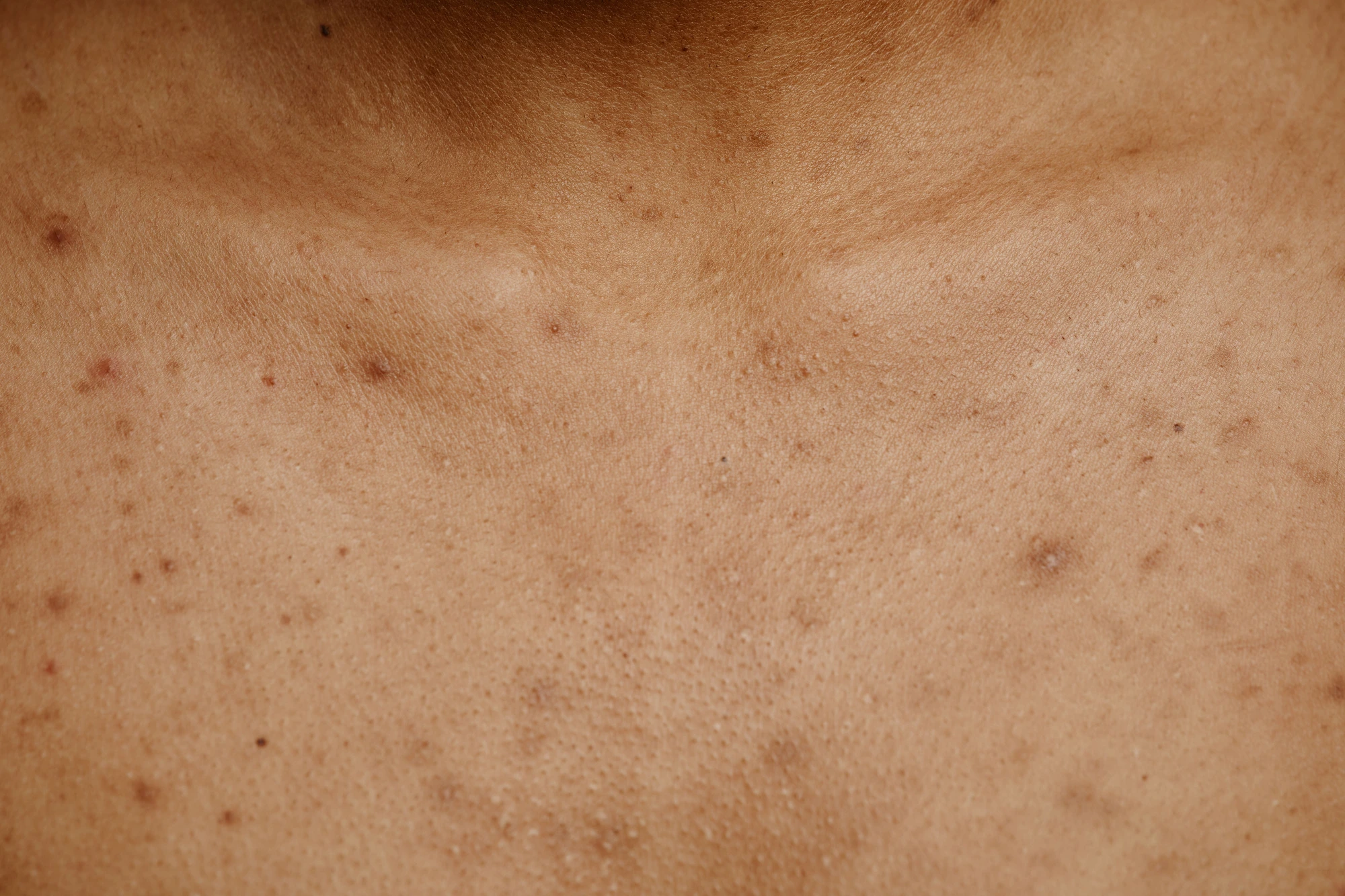
Summer is wonderful for the soul and hard on the skin. By the time the aspens turn gold, many of my clients are looking in the mirror at new sun spots, deeper melasma patches, freckles that merged together, and lingering marks from summer breakouts.
The good news is that fall offers the perfect window to address all of it. As the days shorten and we spend more time indoors, your skin finally has the calm, protected conditions it needs to heal and brighten. In my Denver studio, fall is corrective season, and here is why.
Why is fall the best time for corrective facials?
Fall is the best time for corrective facials because sun exposure drops, heat and humidity ease, and you have several months to complete a treatment series before next summer. Those conditions let your skin recover fully between sessions and hold onto the results.
Less sun means safer resurfacing
Chemical peels, enzyme resurfacing, microneedling, and stronger brightening ingredients leave fresh skin more sensitive to light for a while afterward. In fall, the sun sits lower in the sky and most of us spend fewer hours outdoors, so that newly revealed skin has a gentler environment to mature in. Here in Colorado our altitude keeps UV levels meaningful all year, so daily sunscreen stays essential, and the seasonal drop still makes a real difference.
Cooler temperatures keep pigment calm
Heat is a pigment trigger, especially for melasma. Summer workouts, hot cars, and long days outside keep pigment cells active. Cooler fall weather allows the skin to settle so brightening treatments can do their work with less interference.
Time to complete a full series
Correcting hyperpigmentation happens gradually, since pigment sits in layers and the skin renews itself in cycles of roughly a month or more. Starting in fall gives you a steady stretch from October through early spring to complete a full series, see results build, and enter the next summer with a stronger, more even complexion.
A natural reset after summer
Summer often leaves the skin dehydrated, congested, and a little rough from sun, chlorine, and sweat. Fall corrective work clears that buildup, restores the barrier, and prepares your skin for the dry Colorado winter ahead.
Which types of hyperpigmentation respond best to fall treatment?
Sun spots, post-inflammatory marks, and melasma all benefit from fall treatment, and each one calls for its own strategy. Identifying which type you have is the first step toward fading it.
Sun spots, sometimes called age spots or sun damage, are flat brown marks that appear where UV exposure has built up over the years, often on the cheeks, forehead, hands, and chest. They tend to respond beautifully to a series of resurfacing treatments paired with consistent brightening at home.
Post-inflammatory hyperpigmentation is the darkening left behind after a breakout, bug bite, scratch, or irritation. It appears more often and lingers longer in deeper skin tones. Gentle, steady care works best here, because aggressive treatment can create new inflammation and new marks.
Melasma is the most complex of the three, shaped by hormones, heat, light, and stress. Fall is an ideal season to begin a calm, long-term melasma plan. I wrote more about my whole-person approach to melasma in a separate post.
What a fall corrective facial series looks like
A fall corrective series starts with a skin consultation and analysis, where we look closely at your pigment, your skin's sensitivity, your summer sun habits, and your goals. I photograph your skin so we can measure progress together.
The first appointments focus on hydration and barrier repair, since summer-stressed skin heals best once it is calm and well supported. From there, I introduce corrective treatments chosen for your skin type and pigment pattern, which may include customized peels, enzyme resurfacing, and targeted brightening masks. Sessions are typically spaced a few weeks apart so your skin can renew between visits.
Your home routine carries the results forward. I build it around gentle exfoliation, brightening ingredients such as vitamin C, niacinamide, and azelaic acid, rich barrier support for the dry months, and a daily tinted mineral sunscreen. By early spring, you will have a brighter, more even complexion and a clear plan for protecting it through summer.
Fall Corrective Facial FAQ
What is the best time of year for chemical peels?
Fall and winter are the best times of year for chemical peels. Lower sun exposure and cooler temperatures give freshly resurfaced skin a safer, calmer environment to heal and brighten.
How do I fade sun spots after summer?
A series of professional resurfacing treatments combined with daily brightening ingredients and consistent sun protection is the most effective way to fade sun spots after summer. Starting in fall gives you several months to see the results build.
How many corrective facials do I need for hyperpigmentation?
Most people benefit from a series of several treatments spaced a few weeks apart, and the exact number depends on the type and depth of the pigment. Your esthetician can estimate a timeline after a skin analysis.
Can I get a corrective facial if I have melasma?
Yes, with the right approach. Melasma responds best to gentle, carefully chosen treatments that avoid heat and irritation, paired with a long-term plan that considers hormones, lifestyle, and stress.
Do I still need sunscreen in the fall and winter?
Yes. UV rays reach your skin year round, and in Colorado the high altitude increases exposure. Daily sunscreen protects your corrective results and helps prevent new pigment.
Where can I get a corrective facial in Denver?
Ella Cress Skin Care in the Wheat Ridge and Denver area offers customized fall corrective facial series for sun spots, melasma, and post-inflammatory hyperpigmentation.
Make this fall your skin's turning point
The months ahead are your best opportunity to undo summer's damage and build a brighter, more even complexion that lasts. Treatment spots fill quickly once the leaves start falling, so now is the perfect time to plan. Book your fall skin consultation at ellacress.com and let's create a corrective plan made for your skin.
This article is for educational purposes and does not replace medical advice. Please see a dermatologist or physician for diagnosis of any new or changing spots.