
Melasma Relief That Lasts: A Whole-Person Approach in Denver Metro Area
Melasma Relief That Lasts: A Whole-Person Approach in Denver
If you have melasma, you already know how stubborn it is. You find a cream that seems to work, the patches lighten, and then a sunny weekend, a stressful month, or a shift in your cycle brings them right back. Many of my clients arrive after years of this loop, tired and discouraged, wondering what they are doing wrong.
Here is the truth I share with every one of them: melasma is one of the most challenging skin conditions to address, and your frustration makes complete sense. Melasma responds best to patience, consistency, and a plan built around the person who has it. That is exactly the kind of care I offer at Ella Cress Skin Care.
What is melasma, and why is it so hard to treat?
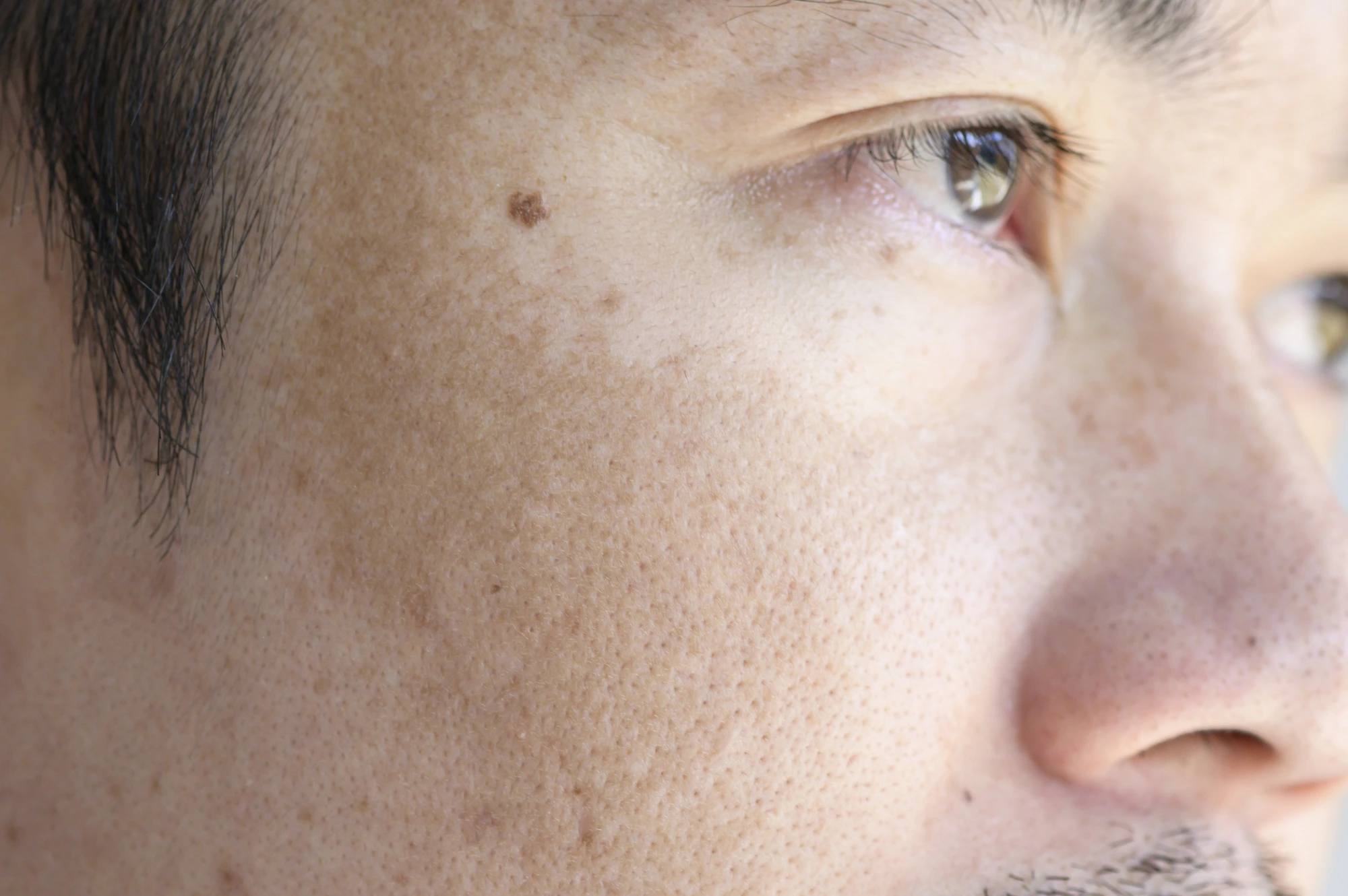
Melasma is a chronic pigmentation condition that causes brown or gray-brown patches, most often on the cheeks, forehead, upper lip, and nose. It is so hard to treat because it is driven by several overlapping triggers at once, including hormones, sun and visible light, heat, and inflammation, and those triggers keep showing up in daily life.
The pigment-producing cells in melasma-prone skin are highly reactive. They respond to UV rays, to the visible light from windows and screens, to heat from a hot yoga class or a summer car, and to hormonal shifts from pregnancy, birth control, or perimenopause. Melasma is far more common in women, and it tends to show up more in medium to deeper skin tones. Because those triggers are woven into everyday living, melasma is best understood as a condition to manage over time, much like any other chronic pattern in the body.
Why does my melasma keep coming back?
Melasma usually returns because the treatment addressed the pigment on the surface while the triggers underneath stayed in place. When the creams stop, or life shifts, the skin picks up where it left off.
Most people who see a dermatologist for melasma receive some version of the same protocol: hydroquinone, a retinoid such as tretinoin, a topical steroid, and often tranexamic acid. These ingredients have real research behind them, and for some people they are an important part of care. Dermatologists are valued partners in my work, and I encourage anyone with a new or changing pigment patch to see one for an accurate diagnosis.
Where many of my clients feel let down is the sameness of it. The same four ingredients are offered to a new mother, a marathon runner, a woman in perimenopause, and a busy executive running on four hours of sleep. Their melasma may look similar, yet the forces feeding it are very different. Strong lightening agents can also irritate sensitive skin, and irritation itself is a pigment trigger, which can keep the cycle going.
My approach: looking at the whole person behind the melasma
I treat melasma by looking at your whole life, because your skin is responding to all of it. As a licensed esthetician and certified organic formulator with nearly 20 years in skin care, I have learned that lasting change comes from understanding what your particular melasma is reacting to.
Hormone patterns
We talk about where you are hormonally: pregnancy and postpartum, hormonal birth control or IUDs, fertility treatment, thyroid health, and the years leading into menopause. Many clients notice their patches darken at certain points in their cycle. Mapping those patterns helps us time treatments wisely and helps you know when to be extra protective. When hormones seem to be a major driver, I encourage you to explore that with your doctor, and I build your skin plan to work alongside that care.
Stress and emotions
Stress hormones play a role in inflammation and pigment activity, and many clients tell me their melasma flared during a divorce, a move, a loss, or a demanding season at work. We make room for that conversation. Supporting your nervous system through rest, breathwork, and calming treatments in my studio becomes part of your skin plan.
Food and inflammation
What you eat shapes the inflammation your skin lives with. We look at your everyday eating patterns and gently build in more antioxidant-rich, colorful foods that support skin resilience. My goal is nourishment and steadiness, with no rigid rules attached.
Lifestyle and environment
Colorado sun is intense, and our altitude means more UV exposure year round. We look at how you spend your days: your commute, your workouts, hot yoga or saunas, time near windows, and hours in front of screens. Then we build realistic habits around mineral sun protection with iron oxides for visible light, protective hats, and smart timing for heat exposure.
Gentle, consistent skin care
Because irritation can feed melasma, I choose ingredients that calm and brighten without inflaming the skin. Depending on your skin, that may include ingredients such as azelaic acid, niacinamide, vitamin C, and botanical brighteners, paired with barrier-supporting care. Your home routine and in-studio treatments are designed to work together.
What a long-term melasma management program looks like
Your program begins with an in-depth consultation and skin analysis. We spend real time on your health history, hormone timeline, stress load, eating habits, sun exposure, and everything you have already tried. I photograph your skin so we can track progress honestly over the months ahead.
From there, I create a personalized plan that combines in-studio treatments with a home routine built for your skin and your schedule. The early phase focuses on calming inflammation and strengthening your skin barrier, which prepares the skin to respond well to brightening care. As your skin settles, we gradually introduce targeted brightening and adjust as the seasons, your cycle, and your life change.
Melasma management is a relationship. We check in regularly, compare photos, and refine the plan together. Many clients see meaningful lightening within the first few months, and the deeper reward is learning how your skin works so you can keep it calm for years to come. Summer and big life transitions become seasons we plan for together.
Melasma FAQ
Can melasma be cured permanently?
Melasma is considered a chronic condition, so the most reliable goal is long-term management. With a personalized plan that addresses your triggers, many people see significant, lasting lightening and far fewer flare-ups.
What is the best treatment for melasma?
The best melasma treatment is one matched to your specific triggers. A combination of daily mineral sun protection, gentle brightening ingredients, calming in-studio treatments, and attention to hormones, stress, and lifestyle tends to give the most lasting results.
Does stress make melasma worse?
Many people notice their melasma darkens during stressful periods. Stress affects hormones and inflammation, both of which influence pigment, so supporting your nervous system is a helpful part of melasma care.
Is melasma caused by hormones?
Hormones are one of the most common melasma triggers. Pregnancy, hormonal birth control, and perimenopause are all linked to melasma, which is why it appears far more often in women.
Does diet affect melasma?
Food shapes inflammation in the body, and inflammation affects how reactive your skin is. Eating plenty of colorful, antioxidant-rich foods supports overall skin resilience as part of a broader melasma plan.
What sunscreen is best for melasma?
A tinted mineral sunscreen containing iron oxides is the strongest everyday choice for melasma, because it helps block visible light as well as UV rays. Reapplying through the day matters as much as the formula.
Can an esthetician help with melasma?
Yes. A licensed esthetician experienced with pigmentation can create an effective and gentle treatment and home care plan, help you identify your triggers, and support you over the long term, working alongside your dermatologist or doctor when needed.
Where can I get melasma treatment in Denver?
Ella Cress Skin Care in the Wheat Ridge and Denver area offers whole-person melasma management programs built around your hormones, lifestyle, stress, and skin.
Ready for melasma care that sees all of you?
You deserve a plan built around your life, your hormones, and your skin. If you are in the Denver area and ready to move from frustration to a steady, long-term strategy, I would love to meet you. Book a melasma consultation at ellacress.com and let's begin understanding your skin together.
This article is for educational purposes and does not replace medical advice. Please see a dermatologist or physician for diagnosis of any new or changing pigmentation.